Gently Care for Your Golf Towels: Care Tips from the Pros
On the sunlit fairways where precision meets patience, a towel is more than a soft landing for a sweaty brow. It is a trusted companion—an ally in grip, stance, and rhythm. This guide gathers practical care tips for golf towels, exploring how routine washing, fabric fidelity, and careful storage keep towels fresh, absorbent, and ready for every round. Drawing from the ethos of course etiquette and the lived realities of players across eras, we’ll also meet three pivotal figures whose approaches to towels and maintenance echo larger themes in sporting culture.
Why Towel Care Matters on the Course
The golf towel is a small but mighty instrument. It wicks away sweat to keep your hands dry during crucial grips, cleans the clubface to preserve control, and doubles as a mental cue—reminding you to reset your tempo mid-round. A well-cared-for towel requires less frequent replacement, reduces lint transfer onto gloves and grips, and maintains its softness and absorbency across dozens of rounds. When towels are neglected, fibers become stiff, lint builds up, and the towel’s ability to manage moisture diminishes. In a game where micro-decisions determine the difference between par and bogey, even a humble towel deserves respect as a tool.
The discipline of towel care also mirrors the etiquette of golf itself. Just as the rules govern pace of play, brush of the ball, and conduct between players, care routines govern how we treat gear, how we store equipment in the bag, and how we honor the spirit of the course. A towel that remains fresh and pliant is a subtle sign of a player who values preparation and routine.
1) Washing Frequency and Fabric Considerations
The default principle is simple: wash towels after every few rounds if they see heavy use, or at least every few rounds if you’re playing on a damp or humid course. Cotton and terry towels—common in golf sets—absorb sweat, soil, and minor oils from hands and grip tapes. Over time, this accumulation can lead to odor, reduced absorbency, and a dull appearance. A practical approach is to schedule a light wash after every 3–5 rounds, and a deeper refresh every 1–2 weeks for frequent players.
When selecting a towel, consider GSM (grams per square meter) as a proxy for absorbency. Higher GSM towels feel thicker and more plush; they are excellent for drying the hands and equipment, but they may take longer to dry after washing. If you travel light or play in warm climates, mid-weight towels in the 500–700 GSM range often strike a balance between softness and quick drying.
Practical tip: avoid high-heat wash cycles for delicate or premium towels that feature long-staple cotton or special finishes. A warm wash (around 104°F / 40°C) with a gentle cycle generally preserves softness and color better than hot washes, which can cause fiber fatigue and color fading over time.
For towels with moisture-wicking finishes or yarn-dyed colors, wash colors separately and avoid chlorine bleach, which can erode fibers and alter hues. If odors persist, a half-capful of white vinegar in the rinse cycle can help neutralize bacteria without lingering residue.
2) The Right Detergent and Drying Approach
Use a mild detergent with minimal whitening agents. Harsh chemicals can strip the towel’s softness and shorten its lifespan. Avoid fabric softeners, which can diminish absorbency by coating the fibers. For premium towels, a breathable, fiber-friendly detergent helps maintain loft and loft’s resilience after repeated laundering.
Drying method matters as well. Tumble drying on a low heat setting helps restore fluff without scorching fibers. Remove towels promptly when dry to minimize wrinkling and reduce the likelihood of musty odors. If you prefer air drying, lay towels flat in a well-ventilated area and flip periodically to ensure even dryness.
Product example in use:
Crisp Towel Set, a dense cotton terry that is as plush as velvet yet designed for easy care, exemplifies the modern balance of luxury and practicality. Its machine-washable nature and lack of ironing needs make it an ideal reference point for everyday golf life.
Care note:
When using high-density towels like the Crisp Towel Set, ensure the lint trap is clean and avoid overloading the washer, which can prevent thorough rinsing and lead to poorer drying results.
3) Folding and Packing: The Bag-Ready Routine
A towel’s function hinges not just on how clean it is, but on how readily it’s accessible in the bag and how it dries between rounds. A compact, well-folded towel is easier to stash in a golf bag’s side pocket, enabling quick reach during a hot stretch or after a key approach.
-
- Fold with the nap running in one direction to avoid creasing the fibers. A neat rectangle that sits flat against the side pocket reduces bulk.
-
- If you have multiple towels, designate one for cleaning clubs and another for drying hands. Color-coding or labeling can prevent cross-use that might spread oil or soil.
-
- Store towels in a dry, ventilated pocket or a dedicated water-resistant sleeve to reduce humidity buildup during rounds in the rain or on damp mornings.
The modern golf towel, when cared for properly, remains a staple across a lifetime of rounds. It’s a small instrument, but it carries with it the cadence of practice, the ritual of preparation, and the quiet dignity of a game well played.
4) Storage, Odor Management, and Longevity
Storage conditions are a subtle but crucial determinant of towel longevity. Keep towels dry after each wash and ensure the bag’s interior remains relatively ventilated. Odor control is easier when towels are completely dry before being sealed away; a damp towel left in a bag invites mildew and mustiness that can transfer back to your hands.
For odor control, a simple sachet of baking soda in the bag (or a small, breathable cloth bag with dried herbs) can help neutralize moisture and keep towels fresh between rounds. If trouble persists, a wash with a splash of white vinegar or a dedicated textile deodorizer can restore a towel’s clean scent without harshness or residue.
5) A Brief Portrait of Care Across Eras: Three Key Figures
Towels have traveled with athletes, dignitaries, and everyday players across generations. In this brief portrait gallery, we meet three pivotal figures from distinct eras who, in their own ways, illuminate the care of towels as a cultural practice.
Clarkson, a golf instructor and club manager in the early 1900s, treated equipment as ceremonial and functional. He emphasized cleanliness and organization as part of a golfer’s discipline, often noting that a well-kept towel reflected the player’s respect for the course and for fellow players. In his era, towels were simple cotton, less about luxury and more about practical resilience. Clarkson’s ethos reminds us that care practices on the course were as much about etiquette as they were about gear.
Maria de Luto, a trailblazing figure in women’s professional golf, spoke repeatedly of “the rhythm of rounds” and the quiet routine that underpinned performance. Her explanations of towel use—keeping it dry, accessible, and dedicated to club-face maintenance—highlighted how care routines extended beyond grooming to aspects of grip reliability and confidence on the fairway. De Luto’s perspective underscores that even a towel is a tool whose care contributes to trust in one’s swing.
In the modern circuit, towels are part of a broader ecosystem of performance textiles. Koji Nakamura, a long-time caddy on the global tour, emphasizes the interplay of fabric technology and on-course practicality. He notes the value of denser towels for moisture management and the ease of folding for quick gaffs in a crowded bag. Nakamura’s viewpoint bridges heritage—our respect for etiquette and routine—with the contemporary emphasis on material science and micro-routines that keep a pro’s day on track.
6) A Quick Reference: Practical Checklists
- After each round: rinse lightly with cold water, then wash after a day’s play if heavy usage occurred.
- Wash towels separately from gloves and apparel to avoid lint transfer and odor mixing.
- Dry towels on a gentle cycle or air-dry thoroughly before placing back in the bag.
- Inspect towels for fiber wear and replace when the pile becomes flattened or damaged.
- Store towels in a dry, ventilated bag with a dedicated towel sleeve to keep moisture at bay.
7) A Visual Note: Choosing a Representative Towel
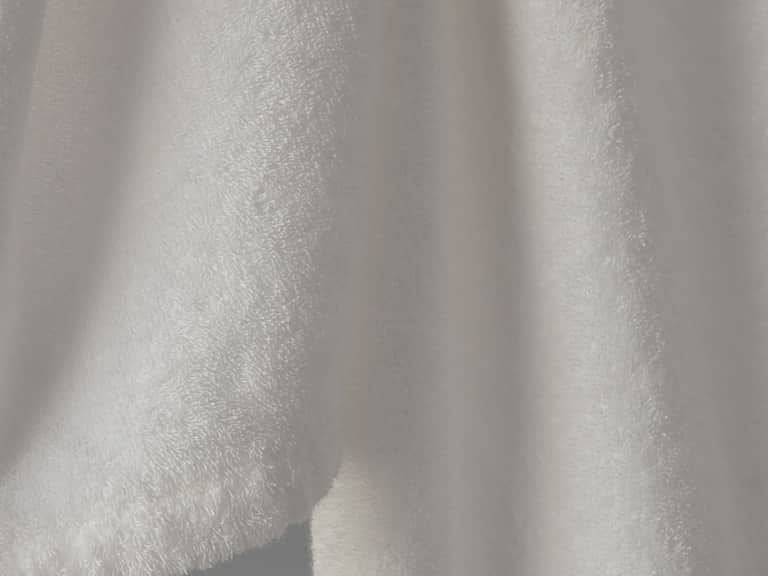
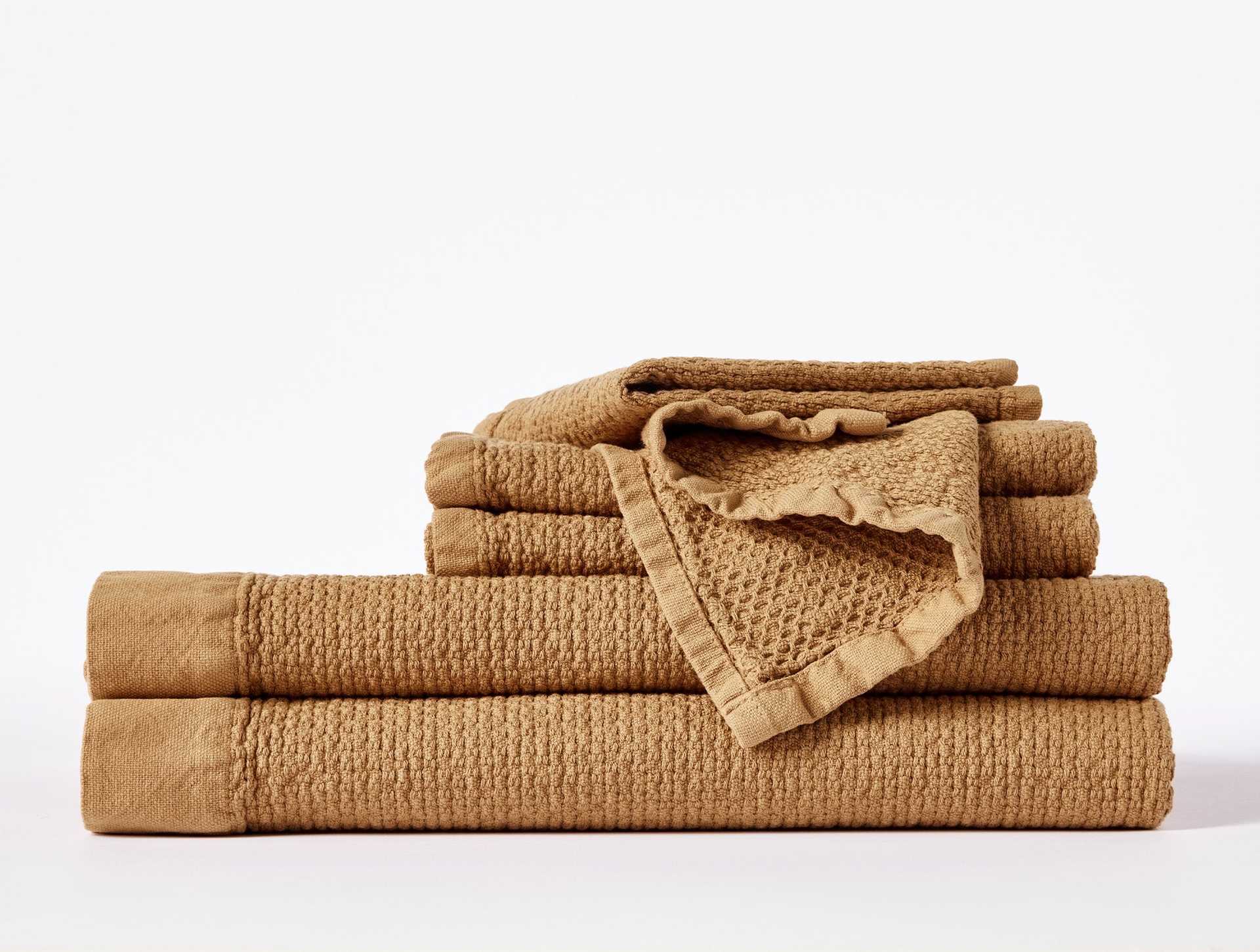
For those who want a high-quality reference towel that aligns with modern standards, the Crisp Towel Set stands out for its velvet-like density and practical ease. Its 100% cotton construction, machine wash compatibility, and minimal need for ironing place it among the most functional aesthetic options for players who prize both touch and performance.
Crisp Towel Set
Cotton terry towel fabric reimagined to be dense as velvet, yet light, soft and highly absorbent. Machine washable and does not require ironing. A plush, everyday luxury that remains practical on and off the green.
Material: Cotton terry; 100% cotton
Why it matters on the course
A towel that dries quickly and is easy to wash reduces the risk of odor and lint on gloves and grips—keeping your hands secure and your grip consistent, round after round.
8) In Case You Want to Read More: A Glossary Snapshot
While towels are humble, their world intersects with terminology that reveals a broader culture: GSM (a measure of weight and density), terry versus flat weave, yarn-dyed versus garment-dyed colors, and the subtle art of folding and stowing. These terms aren’t merely technical; they’re part of a quiet language of gear that tells you how seriously players take their craft, and how meticulously they care for their tools.
Published as a practical, editorial note for golfers, caddies, and enthusiasts who value both performance and poise on the course.