Bath Textiles · A Practical Guide
Choosing a Bath Mat: Weave, Weight, and Care Explained
A bath mat is asked to do several modest things at once: soften the floor, meet wet feet, stay put, and dry before the next person comes along. Its weave, weight, size, and care instructions determine how well it manages this ordinary traffic—and whether it becomes a bathroom fixture or a damp, neglected afterthought.
Published October 11, 2026
The bath mat occupies an unglamorous but consequential patch of domestic territory. It waits at the edge of the shower or tub, where a room’s warmth meets the cool, often unforgiving floor. A good one is comfortable underfoot, absorbs the first spill of water, and dries with reasonable speed. A poor one may perform each task briefly, then remain wet long enough to become its own small weather system.
Shopping for one can seem simpler than it is. The words bath mat and bath rug are often used interchangeably, though the objects may differ in pile, construction, backing, and intended use. Labels do not always settle the question. It is more useful to look at how a textile is made, how dense it feels, how it behaves on the floor, and what its care label asks of you. The most satisfying choice is not necessarily the thickest or softest. It is the one suited to the bathroom you actually have and the routine you actually keep.
First, consider what the mat needs to do
In a small bathroom with a frequently used shower, drying speed may matter more than deep cushioning. In a room with cold tile, a thicker surface can make stepping out feel less abrupt. In a shared household, a mat that can be washed easily and returned to service promptly may be more useful than a delicate, high-pile piece that demands special handling.
Think about where water lands. A mat just outside a shower enclosure has a different assignment from a rug beside a freestanding tub, where splashes may be less predictable. A mat should be large enough to catch the usual drips without obstructing a door, covering a vent, or creating a trip hazard. Measure the available floor area before choosing, including the clearance beneath doors and the space needed to open cabinets or drawers.
Then consider how the mat meets the floor. A textile that bunches, curls at the corners, or slides underfoot can be more nuisance than comfort. If a mat has a backing, check its care instructions and make sure the material is suitable for your floor. Some backings can be damaged by high heat or harsh detergents; others may not be appropriate for certain finishes. A rug without a nonslip backing may need a separate rug pad, but the pad must also be compatible with the floor and with the rug’s laundering requirements.
Weave: the structure beneath the surface
Weave shapes more than appearance. It influences the way a mat feels, the amount of water it can take up, and how readily air can move through it as it dries. The distinction is not simply between smooth and fluffy. A surface may be woven in loops, formed into a compact pile, or constructed with a flatter, more open texture. Each offers a different balance of softness, absorbency, and drying time.
Looped and terry-like textures
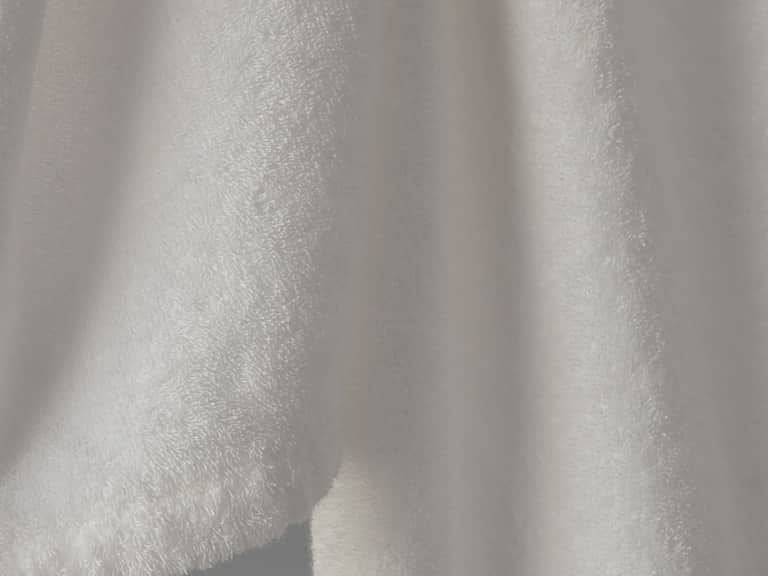
Looped cotton surfaces resemble the familiar construction of many towels. Their loops provide room to catch moisture, and they can feel pleasantly yielding underfoot. A denser loop may feel more substantial, but density alone does not guarantee that a mat will dry quickly. If the fabric holds a considerable amount of water and is left flat against a damp floor, the underside can remain wet even after the top seems dry.
Looped surfaces can also catch hair and lint. That is not a defect so much as a practical consideration: a quick shake or vacuum may be useful between washes, depending on the texture. Check the hems as well. Secure finishing helps a mat retain its shape through repeated use and cleaning.
Flat and open weaves
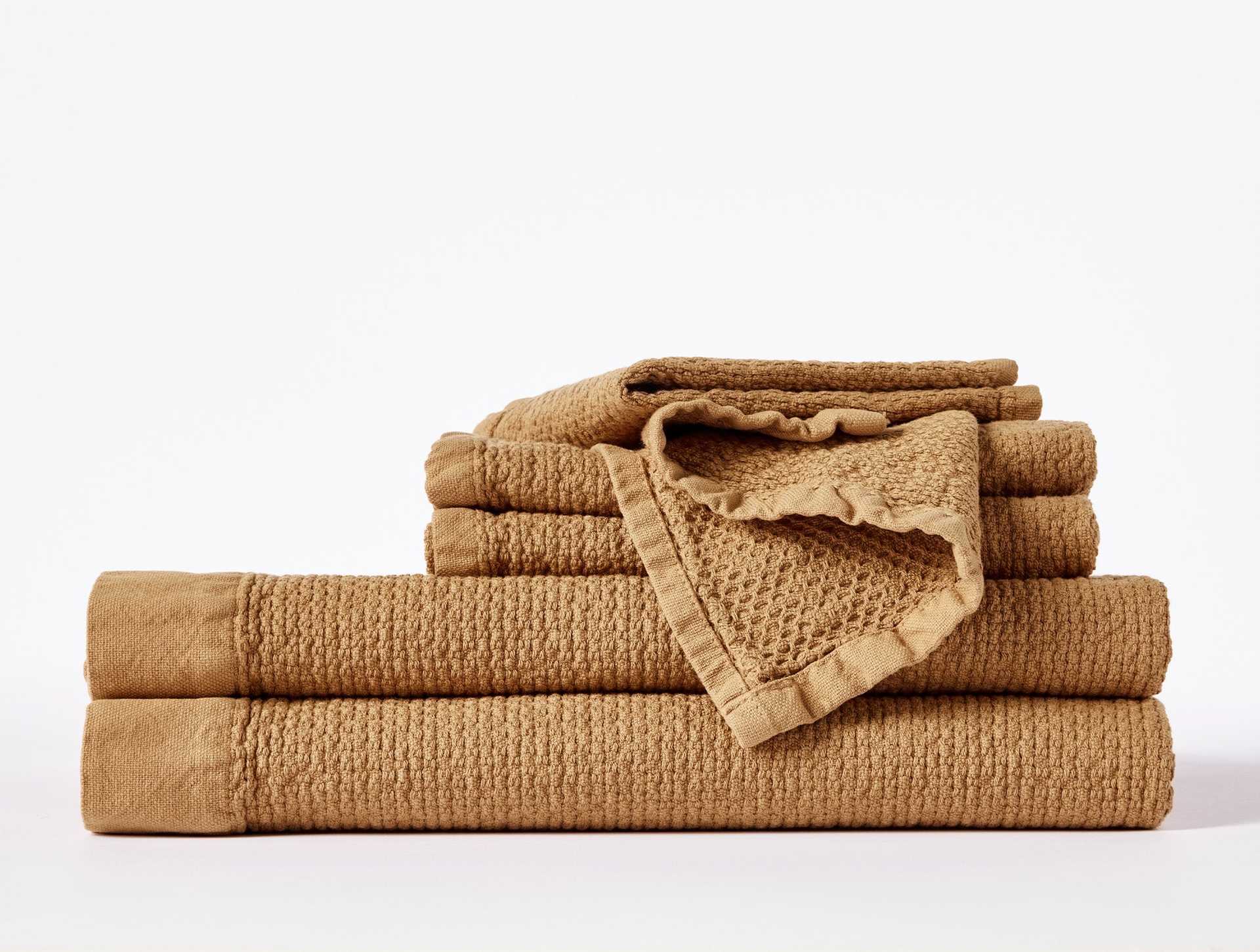
A flatter weave is generally less cushioned than a deep pile, but it may be easier to lift, hang, and launder. Open construction can allow air to circulate more freely, which is helpful in a bathroom that does not dry quickly. The trade-off is a firmer feel beneath bare feet and, depending on the fiber and weave, less immediate water capture than a thick, looped surface.
Texture is worth handling, if possible. A woven mat can look substantial while feeling thin; another may have a humble appearance and a surprisingly comfortable hand. If buying online, descriptions of fiber and construction are more informative than adjectives such as “plush” or “spa-like.” Those words suggest a mood, not necessarily a performance.
Pile and plushness
High-pile bath rugs make a soft landing, but their long fibers can take longer to dry and may be less convenient to clean. Their feel can be especially appealing in a colder room, although the extra loft should not obscure basic stability. A soft surface that shifts or compresses unevenly is not a bargain in comfort. For households with older adults, young children, or anyone who finds an unstable step difficult, a low-profile mat that lies flat may be the more thoughtful choice.
Weight is a clue, not a verdict
Fabric weight is often described in grams per square metre, or GSM. It can offer a rough sense of density: at comparable sizes and constructions, a higher number usually indicates more material per area. But GSM is not a complete measure of quality, absorbency, softness, or drying speed. Fiber, yarn, loop height, and finishing all matter. A heavy mat may feel reassuringly substantial, yet remain damp longer than a lighter, more breathable one.
For a bathroom with good ventilation and a preference for cushioning, a weightier textile may suit the routine. In a humid room, or one where the mat is used repeatedly through the day, a lighter construction can be easier to dry between uses. The question is not which number is best in the abstract; it is whether the mat can absorb ordinary splashes and then recover in the time available.
Pay attention to the product’s full description. If the manufacturer gives a weight, read it alongside the stated fiber content, weave, and care instructions. Compare like with like where possible: a GSM figure for a towel-like cotton fabric does not automatically tell you how a backed bath rug will behave. Weight can guide a decision, but it should not make the decision for you.
Fiber affects feel and maintenance
Cotton is a familiar choice for bath textiles because it is absorbent and generally straightforward to wash. Its exact feel varies with the yarn and construction. A cotton mat can be plush or crisp, compact or open, quick to dry or slower to release moisture. “Cotton” is a useful starting point, not a complete description.
Other fibers and blends may offer distinct qualities, but the care label becomes especially important. A fabric that benefits from line drying may not suit a household that relies on a tumble dryer. A mat with a special backing or decorative trim may need gentler treatment than its surface suggests. If a product’s material description is vague, or its cleaning instructions are difficult to follow, consider whether that uncertainty is acceptable for an object that will be washed regularly.
Color and finish are practical matters, too. Deep or saturated shades may show lint differently from pale ones; textured surfaces can conceal small marks but may gather debris. A washable mat in a color that tolerates regular laundering is often more useful than one chosen solely for an idealized bathroom that never gets wet.
Bath mat or bath rug?
The names are not governed by a strict rule. In everyday use, “bath mat” often suggests a compact, functional piece placed by a tub or shower, while “bath rug” may imply a larger textile with more decorative presence or a deeper pile. Retailers do not always observe this distinction, so it is wise to judge the construction rather than rely on the label.
Ask what the item is designed to do. Is it intended to absorb water directly after bathing? Is it mainly a soft surface for a dressing area? Does it have a backing, and can that backing be washed? Does it come with instructions for a rug pad? The answers help establish whether the piece belongs beside a shower, beneath a vanity, or somewhere drier altogether.
Size and placement matter as much as category. A generously sized rug can make a bathroom feel settled, but it should not obstruct the natural path between the shower, sink, and door. A smaller mat is easier to lift and wash, though it may not cover the area where water actually falls. The best size is the one that serves the room without turning movement into a small obstacle course.
Care begins between washes
Regular laundering helps keep bath mats fresh, but daily habits play a quieter role. After use, hang or drape the mat so air can reach both sides. If it remains flat on a wet floor, the surface may dry while the underside stays damp. In a bathroom with limited ventilation, opening a window or running an exhaust fan can help reduce lingering moisture in the room as well as in the textile.
Shake out loose hair and debris when needed. Avoid letting a mat stay folded or bunched while wet. If it has a nonslip backing, inspect that backing periodically for cracking, peeling, or loss of grip. Discontinue use if the mat no longer lies securely; a worn backing is not merely a cosmetic problem.
Washing without shortening its life
The care label is the authority. Some bath textiles can be machine washed and tumble dried; others call for a gentle cycle, a lower temperature, or air drying. Follow the instructions for the entire construction, including any backing, trim, or fringe. A mat may have a cotton face but a backing that cannot tolerate the same heat.
Wash a mat before it becomes visibly soiled, and sooner if it stays damp, develops an odor, or is used heavily. The appropriate interval depends on how many people share the bathroom, how quickly the mat dries, and whether it is placed where water regularly splashes. There is no single schedule that suits every home. What matters is noticing when the textile stops feeling and smelling clean.
Use a suitable amount of detergent. Too much can leave residue that dulls the hand or attracts more soil. Fabric softener may reduce absorbency on some cotton textiles and may be discouraged by the manufacturer, so do not assume it belongs in the wash simply because it is customary for other laundry. Avoid bleach unless the care instructions specifically allow it.
When the label permits machine drying, a moderate or low setting is often gentler than prolonged high heat. Remove the mat promptly and check that it is dry throughout, especially at thick hems or on the underside of a backing. If line drying is recommended, spread it fully rather than folding it over itself. A mat that is stored even slightly damp may develop an unpleasant smell and need another wash.
A simple comparison before buying
When two bath mats appear similar, compare the details that affect daily use rather than relying on a photograph or a promise of luxury. The following questions make a useful checklist:
- What is the fiber? Look for a clear material description, including blends where relevant.
- How is it constructed? Looped terry, flat weave, and high pile offer different combinations of comfort and drying time.
- What does the weight tell you? Treat GSM as context, not a stand-alone quality score.
- Will it lie flat? Consider backing, a compatible rug pad, and the condition of your floor.
- Does the size suit the room? Measure the floor and check door clearance before ordering.
- Can you maintain it? Make sure the washing and drying instructions fit your household routine.
A mat that is beautiful but awkward to wash may be used less carefully than one that is plain and easy to maintain. Conversely, an easy-care textile that feels unpleasant underfoot is unlikely to win affection. The most successful choice makes a quiet agreement with its surroundings: it feels good, behaves predictably, and does not demand more attention than the room can spare.
The everyday test
There is no universal winner among bath mats and bath rugs. A plush, heavy surface can be a pleasure in a dry, well-ventilated bathroom. A lighter weave may be a better companion to a busy shower and a short laundry cycle. A low-profile piece can offer steadiness where a deep pile would feel uncertain. The right answer depends on the floor, the household, and the pace of the room.
Before choosing, imagine the mat not on a pristine showroom floor but after a week of ordinary mornings: damp hems, bare feet, an open door, perhaps a hurried wash. Will it dry between showers? Can it be lifted and laundered without ceremony? Does it stay where it belongs? Those questions, rather than a single measure of thickness or softness, lead to a more useful decision.
Bath textiles earn their place through repetition. A well-chosen mat does not call attention to itself; it simply makes the small crossing from bath to floor more comfortable, while keeping moisture where it can be managed. And then, as with many objects that quietly improve a daily ritual, the best evidence of its success may be that nobody in the house thinks about it at all.